
【Sources: The Halal Times】
As online shopping continues to grow rapidly in Malaysia, counterfeit halal products are increasingly being sold through e-commerce marketplaces and social media channels. From food supplements to cosmetics, fake products carrying misleading halal logos are threatening consumer health and undermining confidence in Malaysia’s globally respected halal certification system.
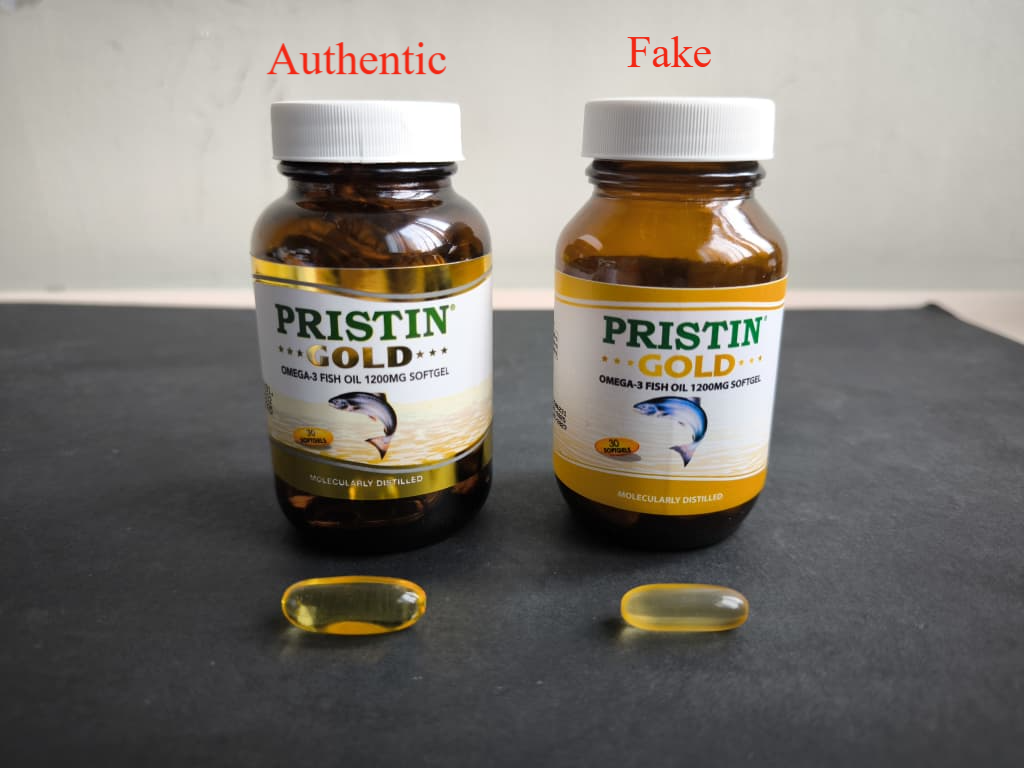
Case of Counterfeit PRISTIN® Supplements
One high-profile case involves Holista Colltech Limited, a Malaysian wellness company, which reported that fake versions of its PRISTIN® Omega-3 Fish Oil supplements were being sold on major marketplaces like Lazada and Shopee.
These impostor products even used bogus halal certification marks to mislead Muslim consumers. Independent laboratory tests revealed that the fakes contained low-grade palm oil instead of the genuine fish-derived omega-3 fatty acids, raising significant health and consumer protection concerns.
Holista stressed that authentic PRISTIN® supplements are only available through licensed pharmacies approved by Malaysia’s Ministry of Health and via the company’s official online stores.
PPIM Calls for Stronger Enforcement
PPIM’s chief activist, Nadzim Johan, has urged stronger enforcement action from key agencies, including the Department of Islamic Development Malaysia (JAKIM), the Malaysian Communications and Multimedia Commission (MCMC), and the Ministry of Health, to investigate and curb these illegal activities.
Risks to Consumers and Halal Integrity
Counterfeit halal products pose dual risks: they can harm consumer health and erode trust in halal certification — a symbol of religious compliance and quality assurance for Muslims worldwide. Authorities and industry experts are calling for heightened vigilance, including stricter controls on online marketplaces and consumer education on how to verify halal authenticity.
As Malaysia continues to expand its foothold in the global halal economy, tackling the proliferation of fake halal goods is crucial — not only to safeguard domestic consumers but also to preserve international confidence in the country’s halal credentials.
How T-Security Can Help?
To address these challenges, T-Security will suggest using a sticker label combined with our T-Cloud 3.0 monitoring system. T-Cloud 3.0 which utilized AI and big data as powerful tools for managing, tracking and controlling market prices.
Established in 1983, T-Security has more than 40 years of expertise to the table, focusing on cutting-edge technology to strengthen brand protection.
---------------------------------------------------------------------------------------------------------------------------------------------------------------------------------------------------------
Want to learn more about T-Security? Click the link below to connect with us now!